
Since its publication, Executive Order 14222 has been cited by federal agencies as authority for a range of actions affecting programs, contracts, and funding mechanisms.
By Levi Gwaltney
Sources Cited, Below
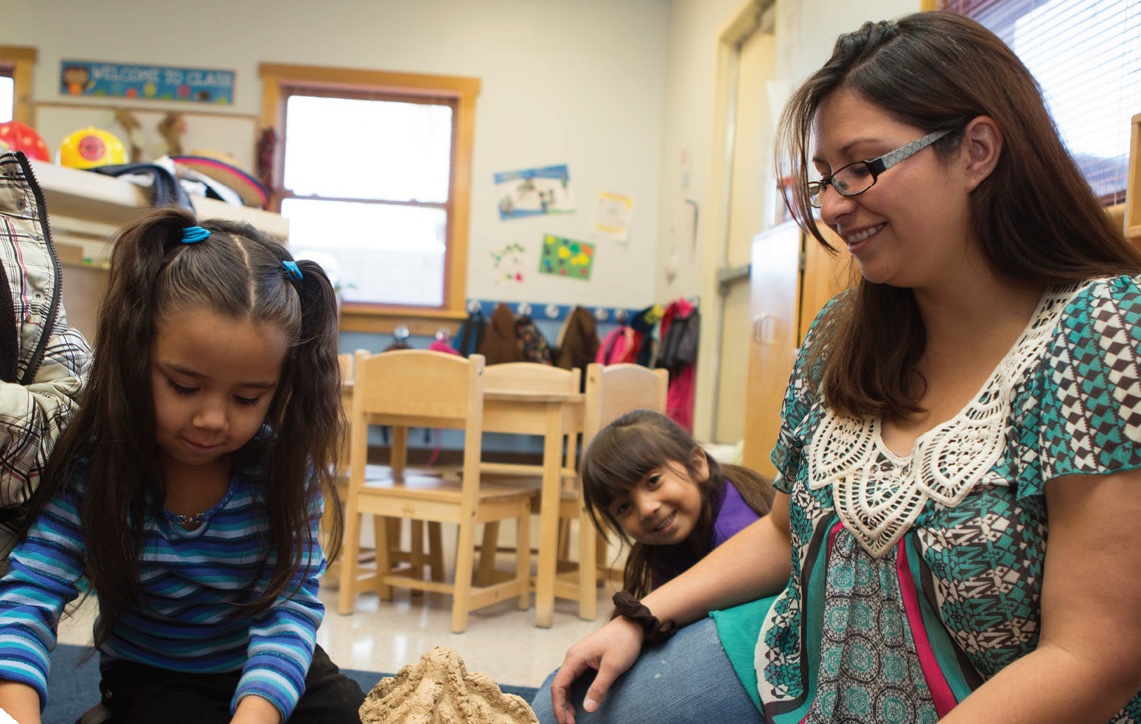
Photo: Courtesy ECECD
On February 26, 2025, Executive Order 14222 was published on the White House website. Titled “Implementing the President’s ‘Department of Government Efficiency’ Cost Efficiency Initiative,” the executive order established a framework for identifying and addressing what the administration described as waste, fraud, and inefficiency across the Executive Branch.
Since its publication, Executive Order 14222 has been cited by federal agencies as authority for a range of actions affecting programs, contracts, and funding mechanisms. Those actions have prompted numerous legal challenges in federal courts. While several temporary injunctions have been imposed—some later narrowed or lifted on procedural grounds—courts have not yet issued definitive rulings on the merits of many challenges tied directly to the executive order’s implementation.

As a result, questions remain regarding how provisions of Executive Order 14222 may be applied in practice, particularly when agencies invoke it to justify pauses or changes in federal funding.
Against that backdrop, on New Year’s Eve 2025, Jim O’Neill and Alex Adams—both senior officials with the U.S. Department of Health and Human Services—released a video announcing a pause in certain child care payments to the State of Minnesota. In the video, the officials cited “suspected” malfeasance and stated that HHS was invoking what they described as “Defend the Spend” protocols.
The video did not reference any formal findings of wrongdoing, nor did it cite a publicly available HHS policy document defining “Defend the Spend.” As of publication, no such program or protocol is described on the HHS website.
While new guidance has recently been referenced in connection with the Department of Labor’s Employment and Training Administration, most provisions related to documentation and justification requirements have been in place since at least March 2025 under existing Department of Labor guidance. No direct guidance from HHS accompanied the video explaining how those provisions would be applied to child care funding administered through the Child Care and Development Fund (CCDF).
Initially, the New Year’s Eve video appeared to apply only to Minnesota. However, in a subsequent statement to States Newsroom, HHS spokesperson Emily Hilliard indicated that the documentation requirements would apply more broadly. “States will be required to provide documentation, such as written justification, receipts, or photographic evidence, demonstrating that funds are supporting legitimate child care providers,” Hilliard said.
Child Care Health and Safety Violations: State and Territory Reporting Information
Each state and territory has a system to receive and respond to reports of possible child care health and safety violations. Below are links to state and territory-specific instructions on how to submit a child complaint, as well as a list of statewide toll-free numbers, regional numbers, and online reporting options (if available) for the agencies designated to receive and investigate reports of suspected child care health and safety violations. Professionals, families, and concerned citizens can use the contact information below to report their concerns.
In New Mexico…
Learn more about child care in New Mexico.
Online Information
- How to File a Child Care Complaint in New Mexico
- Statewide Number888-351-0037
- Email Submission: ChildCare.Complaint@ececd.nm.gov
Neither O’Neill nor Adams, nor any other HHS official, has provided state-specific guidance regarding how these requirements may affect CCDF payments in New Mexico.

Childcare Care Assistance Program Funding Update
January 2, 2026
The Early Childhood Education and Care Department (ECECD) is actively seeking more information about the new federal directive announced by the Trump administration on New Year’s Eve regarding federal child care funding. ECECD has not received any formal notification of changes to federal child care funding. Currently, there are no disruptions to payments for providers that accept child care financial assistance in New Mexico. ECECD will continue to share updates when information becomes available.
ECECD is confident in New Mexico’s systems for monitoring payments and preventing child care fraud. ECECD remains fully committed to providing no-cost child care for every New Mexico family regardless of income.
In response to the video and subsequent reporting, the New Mexico Early Childhood Education and Care Department (ECECD) issued a statement acknowledging the federal directive and emphasizing that no formal changes have been communicated to the state.
What is CCDF?
[From the New Mexico Early Childhood Education & Care Department]
The Child Care and Development Fund (CCDF) plays a crucial role in supporting families in New Mexico by providing financial assistance for child care services. Child care assistance is vital for income-eligible families, enabling parents and guardians to work, attend school, or undergo training while their children receive care that fosters their learning and development. The CCDF not only helps in covering the cost of child care but also aims to improve the quality, health, and safety of child care services for all children in New Mexico.
New Mexico’s administration of the CCDF program is detailed in the State Plan, which outlines how the program will be managed from October 1, 2024, through September 30, 2027. This plan is essential as it sets the guidelines and goals for the allocation of funds, ensuring that child care services are accessible, affordable, and of high quality to meet the needs of families across the state.
You must be logged in to post a comment.