
The new dispersal area, or polygon, will include operations about 50 miles into Texas.
Sources: NMDA, USDA
Images: Courtesy
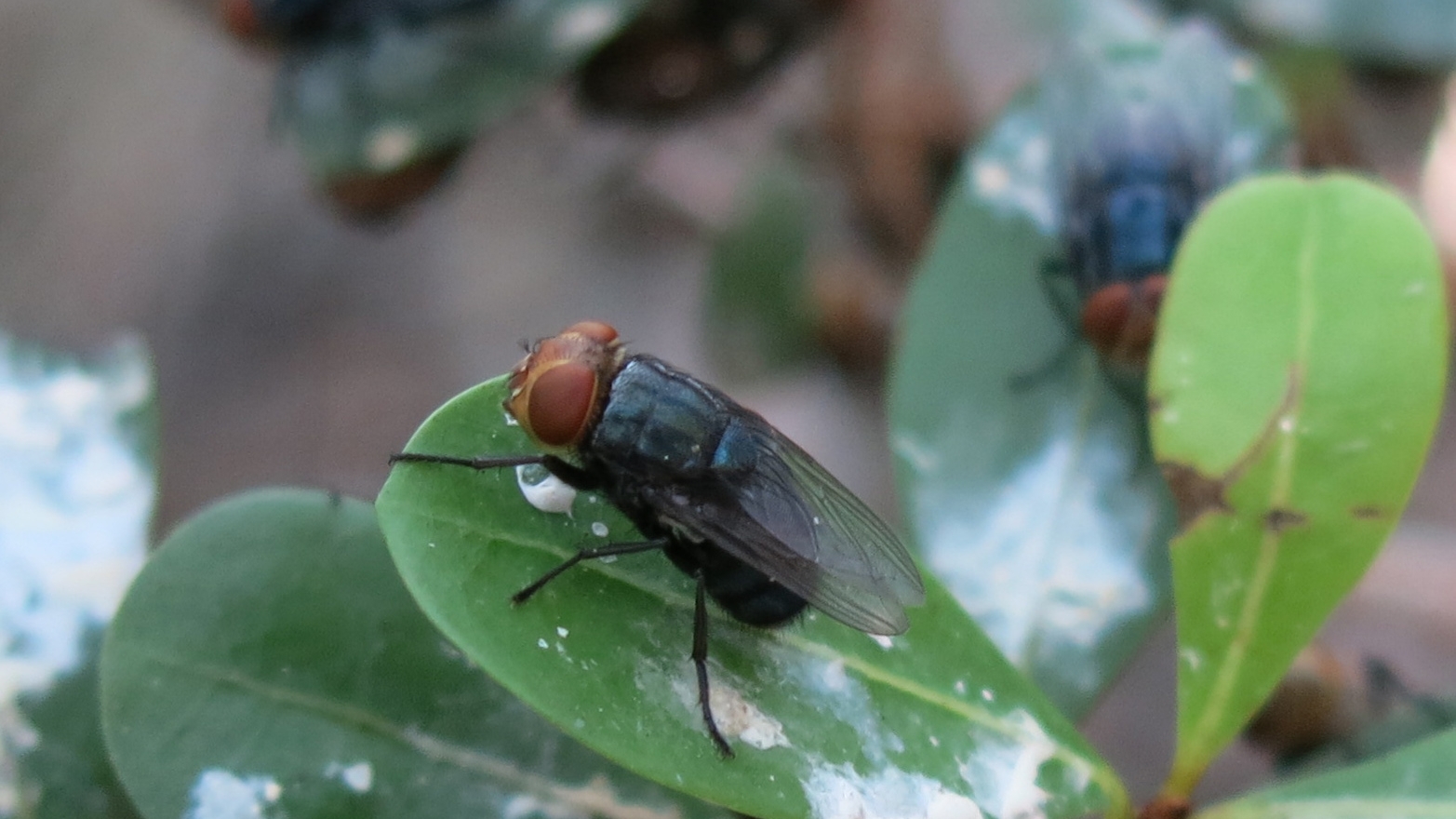
Winter is here, but New Mexico can still see warm daytime temperatures in the 60s and even the 70s. While New World Screwworm flies are not active when daytime temperatures fall below 65°F, occasional warm days can allow fly activity to return.

Stay vigilant and continue watching for signs of New World Screwworm infestation in open wounds on animals. Your awareness helps protect New Mexico’s livestock and wildlife. Look for:
- – Open wounds that worsen or do not heal
- – Animals exhibiting restlessness, licking or biting at a wound, or isolating themselves
- – Visible maggots in wounds
- – Swelling, discharge, foul smell or unusual tissue deterioration
Please note that while keeping sampling kits on hand is encouraged in order to be prepared, samples should only be submitted if there is a reason to suspect New World screwworm; no submission is necessary in the absence of suspicion.

As New World screwworm moves further north in Mexico, the U.S. Department of Agriculture is taking decisive and proactive action to shift sterile insect dispersal to better protect U.S. animal and public health. As part of the change, USDA will reallocate aircraft and sterile insects to reinforce coverage along the U.S.- Mexico border. The new dispersal area, or polygon, will include operations about 50 miles into Texas.
Even though the northernmost active case of NWS is still about 200 miles away from the border, USDA is continuing to ask residents in the area to check their pets and livestock for signs of NWS and immediately report anything suspicious to your state animal health official or USDA area veterinarian in charge.
APHIS Establishes a Mexican Fruit Fly (Anastrepha ludens) Quarantine Area in Texas
On January 26, 2026, the Animal and Plant Health Inspection Service (APHIS) and the Texas Department of Agriculture (TDA) established a Mexican fruit fly (Anastrepha ludens: Mexfly) quarantine in Granjeno, Hidalgo County, Texas, designated the Granjeno quarantine.
APHIS and TDA established the Granjeno quarantine in response to the detection on January 16 of a wild mated female Mexfly from a trap in a grapefruit tree in a commercial citrus grove in Granjeno. The quarantine encompasses approximately 50 square miles with 213 acres of commercial citrus.
APHIS is applying safeguarding measures and restrictions on the interstate movement of regulated articles to prevent the spread of Mexfly to non-infested areas of the United States, as well as to prevent the entry of these fruit flies into foreign trade. APHIS is working with TDA to eradicate the transient Mexfly population following program guidelines for survey, treatment, and regulatory actions
The APHIS Exotic Fruit Flies website contains descriptions and maps of all current Federal fruit fly quarantine areas. APHIS will publish a notice of this change in the Federal Register
You must be logged in to post a comment.