
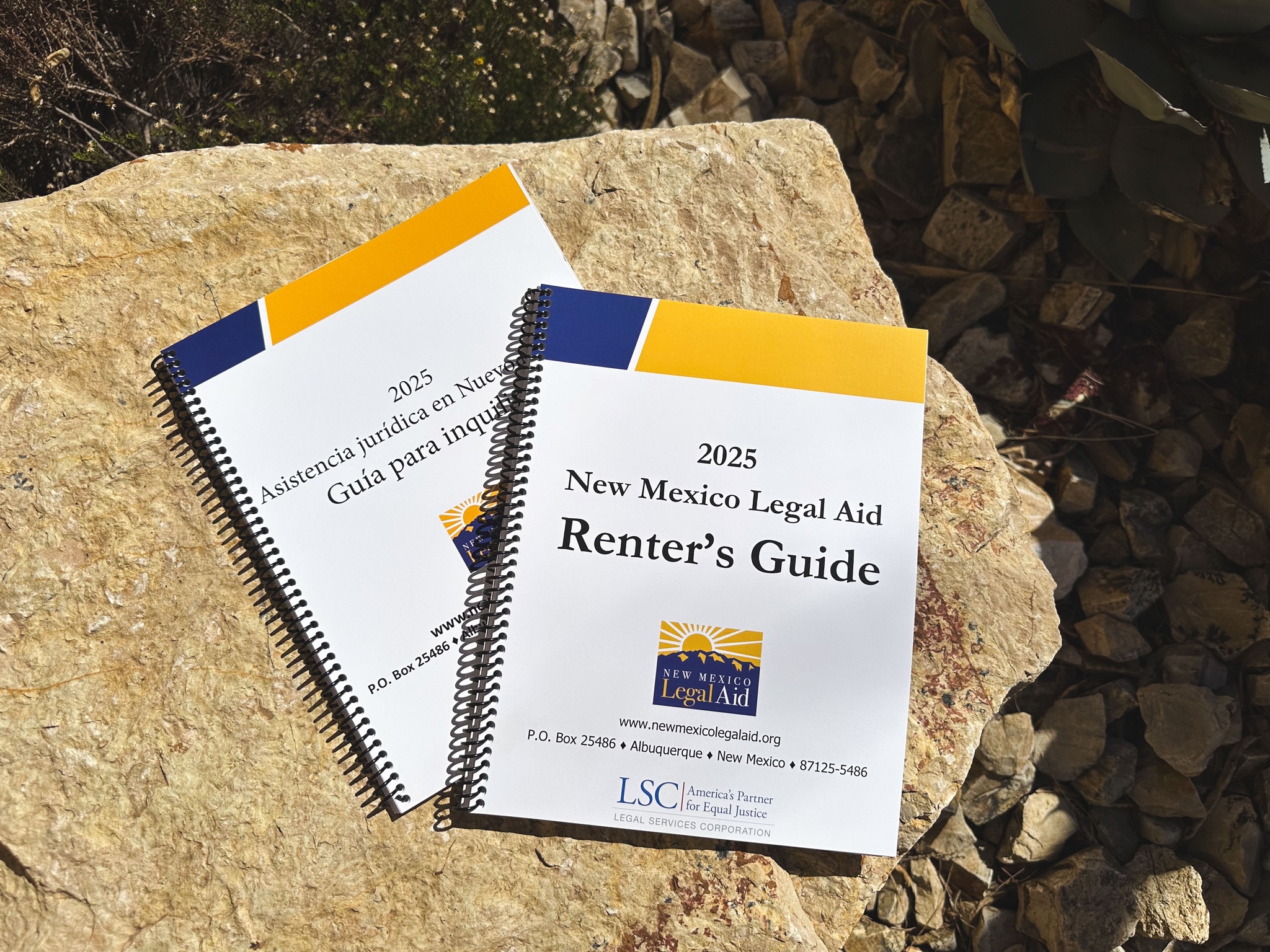
The guide walks tenants through the entire lifecycle of renting, starting before a lease is signed and ending, if necessary, in court.
Source: City of Las Cruces
Photo: Courtesy
The City of Las Cruces announced on Facebook that has received the updated New Mexico Legal Aid Renter’s Guides, and is making copies available for residents. Visit Housing & Neighborhood Services at City Hall to get your copy. (Available in English and Spanish.)
A digital copy of this resource is available on the Housing New Mexico | New Mexico Mortgage Finance Authority (MFA) website.
Receive the latest stories in your inbox every day — FREE!
What readers will find inside
A practical map of the rental process—from search to court.
The guide walks tenants through the entire lifecycle of renting, starting before a lease is signed and ending, if necessary, in court. Early chapters focus on how to look for housing, how to understand the real cost of renting, and how to spot problems or discrimination before moving in—when tenants still have leverage.
Clear explanations of leases and agreements—what matters and what doesn’t.
There’s a deep dive into oral vs. written leases, fixed-term vs. periodic tenancies, and common lease provisions that can quietly work against tenants. Notably, the guide flags objectionable or potentially unlawful clauses, automatic renewals, and subleasing restrictions—areas where renters often assume they have fewer rights than they actually do.
Deposits, rent, and money disputes—demystified.
Several chapters focus on deposits, rent payments, increases, and record-keeping. Readers will learn what a damage deposit can legally cover, how “normal wear and tear” is defined, when rent increases are allowed, and how landlords are supposed to handle money. This is the kind of information that tends to matter most after something goes wrong.
What to do when repairs aren’t made.
Rather than vague advice, the guide lays out categories of repairs, documentation practices, health and safety violations, and the specific remedies available to tenants—including rent abatement and termination. This section appears designed to help tenants act deliberately, not emotionally, when a landlord fails to maintain a unit.
Evictions, illegal evictions, and moving out—by choice or force.
The eviction chapter doesn’t just cover court-ordered removals; it also addresses retaliatory evictions and lockouts, which tenants may not realize are illegal. There’s equal attention paid to how tenants can lawfully end a tenancy—and what happens to their property afterward.
Special situations many guides gloss over.
Mobile home parks, subsidized housing, foreclosures, utility shutoffs, tenant organizing, and rent-to-own arrangements all get dedicated treatment. These chapters acknowledge that not all renters are operating under the same rules—or the same risks.
Discrimination and enforcement—laid out in detail.
Housing discrimination isn’t treated as an abstract principle. The guide spells out protected classes, exemptions, statutes of limitation, and the HUD complaint process, giving readers a realistic sense of what action looks like and how long they have to take it.
What happens if you end up in court.
The final sections explain court procedures, trial preparation, judgments, appeals, and even how to disqualify a judge—information that’s rarely accessible to non-lawyers but critical when stakes are high.
Why it’s worth picking up a copy at City Hall
Most renters only start asking legal questions after they’ve received a notice, lost a deposit, or been denied repairs. This guide is structured to help people before that moment—when good records, informed decisions, and timely action can prevent disputes or dramatically change the outcome.
A physical copy matters because:
- It’s a reference, not a blog post—something you can mark, flag, and bring to a conversation with a landlord or to court.
- It consolidates New Mexico–specific law, rather than generic advice that may not apply locally.
- It gives tenants a clearer sense of where the law actually draws lines, which can be just as important as knowing one’s rights.
In short, this guide treats renters as participants in a legal relationship—not as passive occupants. For anyone renting in Las Cruces, especially those without easy access to legal counsel, stopping by City Hall to pick up a copy is a low-effort way to gain clarity, leverage, and foresight before a problem becomes a crisis.