
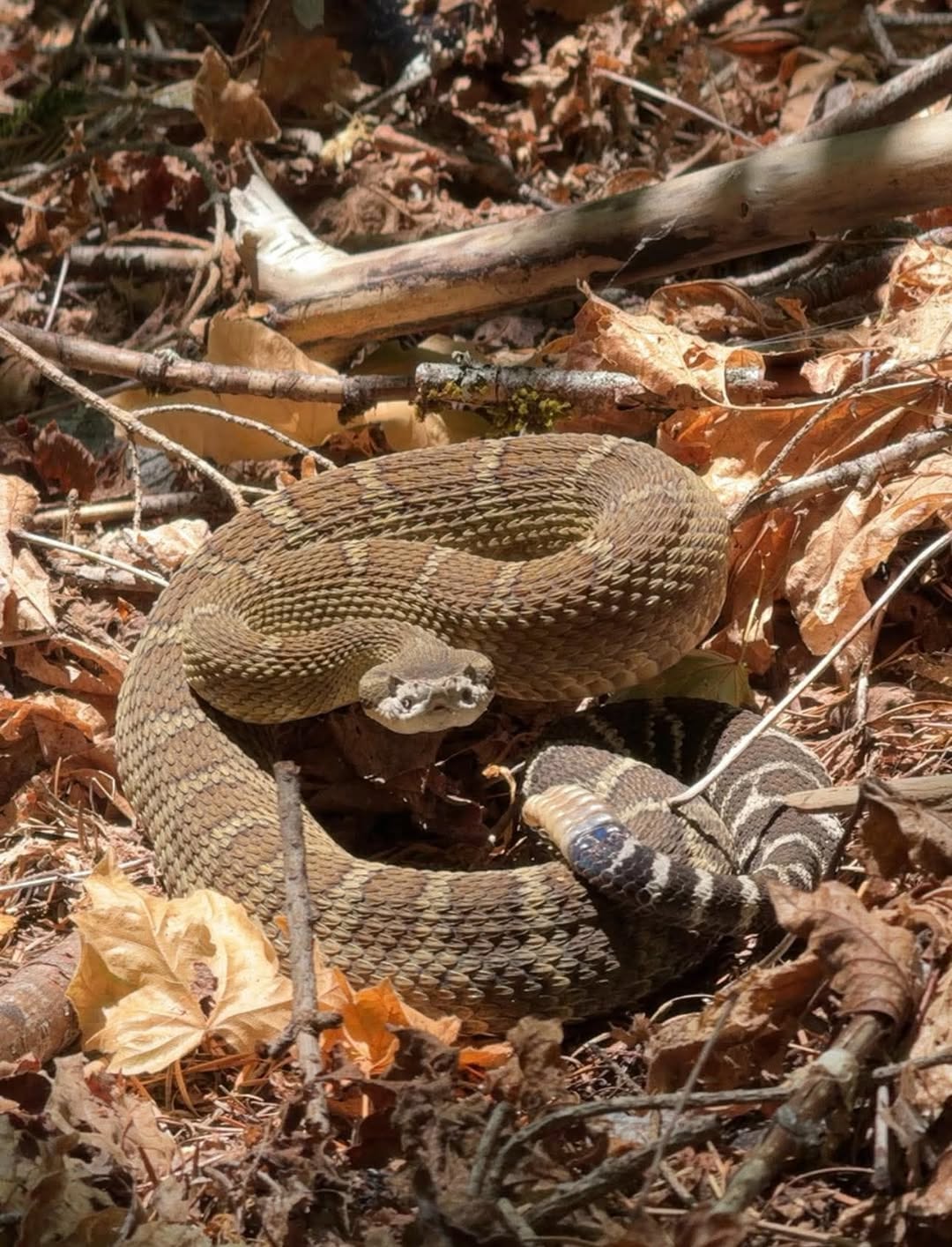
In a series of recent social media posts, BLM officials emphasized that encounters with snakes on public lands remain relatively uncommon and that rattlesnakes generally avoid human interaction whenever possible.
Source: BLM Las Cruces (via Facebook)
Photos: Courtesy
The Bureau of Land Management Las Cruces District is continuing its public safety series on snake encounters in outdoor recreation areas, offering additional guidance on prevention, hiking safety and first aid for snake bites.
In a series of recent social media posts, BLM officials emphasized that encounters with snakes on public lands remain relatively uncommon and that rattlesnakes generally avoid human interaction whenever possible.
“While encounters with snakes are infrequent and bites are even rarer, it remains essential to familiarize yourself with snake safety protocols when on trails,” BLM Las Cruces stated. “Proper awareness of local wildlife is a fundamental aspect of outdoor preparedness.”


According to the agency, rattlesnakes will often provide warning signals before striking and typically bite only when they feel threatened or are intentionally provoked.
BLM officials encouraged hikers to wear sturdy footwear, long pants or gaiters while on trails and advised against wearing open-toed shoes in snake-prone areas.
The agency also recommended that hikers remain on designated trails and keep pets leashed.

“Trails provide increased visibility, making snakes easier to detect and avoid compared to traversing through shrubs and tall grass,” the agency stated.
If hikers hear a rattlesnake, BLM advises stopping immediately, locating the source of the sound and slowly backing away from the area.
To reduce the likelihood of snake encounters, the agency noted that early morning hikes may be preferable before the ground warms significantly. According to BLM, rattlesnakes are generally most active when temperatures range between 70 and 90 degrees Fahrenheit.
The agency also used the series to share first aid recommendations for snake bites involving both people and pets.
“If you or your dog are bitten, stay calm and try to rest,” BLM Las Cruces stated. “Lowering blood flow helps slow the spread of venom.”
The agency advised seeking medical attention as quickly as possible, including calling 9-1-1 when service is available. Hikers without cell service were encouraged to look for assistance from other trail users or carefully walk out while avoiding overheating.
BLM also recommended cleaning bites with soap and water or antiseptic wipes while awaiting medical treatment.
The agency cautioned against relying on folklore or visual assumptions to determine whether a snake is venomous.
“Many people believe that you can tell if a snake is venomous by its head shape or color, but this isn’t reliable,” the agency stated.
Before hiking, BLM encouraged outdoor enthusiasts to consult local guidebooks, field guides or park rangers to learn which snake species may be present in the area.
You must be logged in to post a comment.