
Truck freight continues to drive most cross-border commerce with Mexico.
Source: Department of Transportation, Bureau of Transportation Statistics
Trade moving through Santa Teresa Port of Entry saw a sharp increase in March as cross-border freight with Mexico continued to outpace trade with Canada, according to newly released data from the U.S. Bureau of Transportation Statistics.
The March 2026 Transborder Freight Report shows freight between the United States and Mexico climbed 8.6% year-over-year to $84 billion, helping push total North American transborder freight traffic to $149.5 billion for the month.


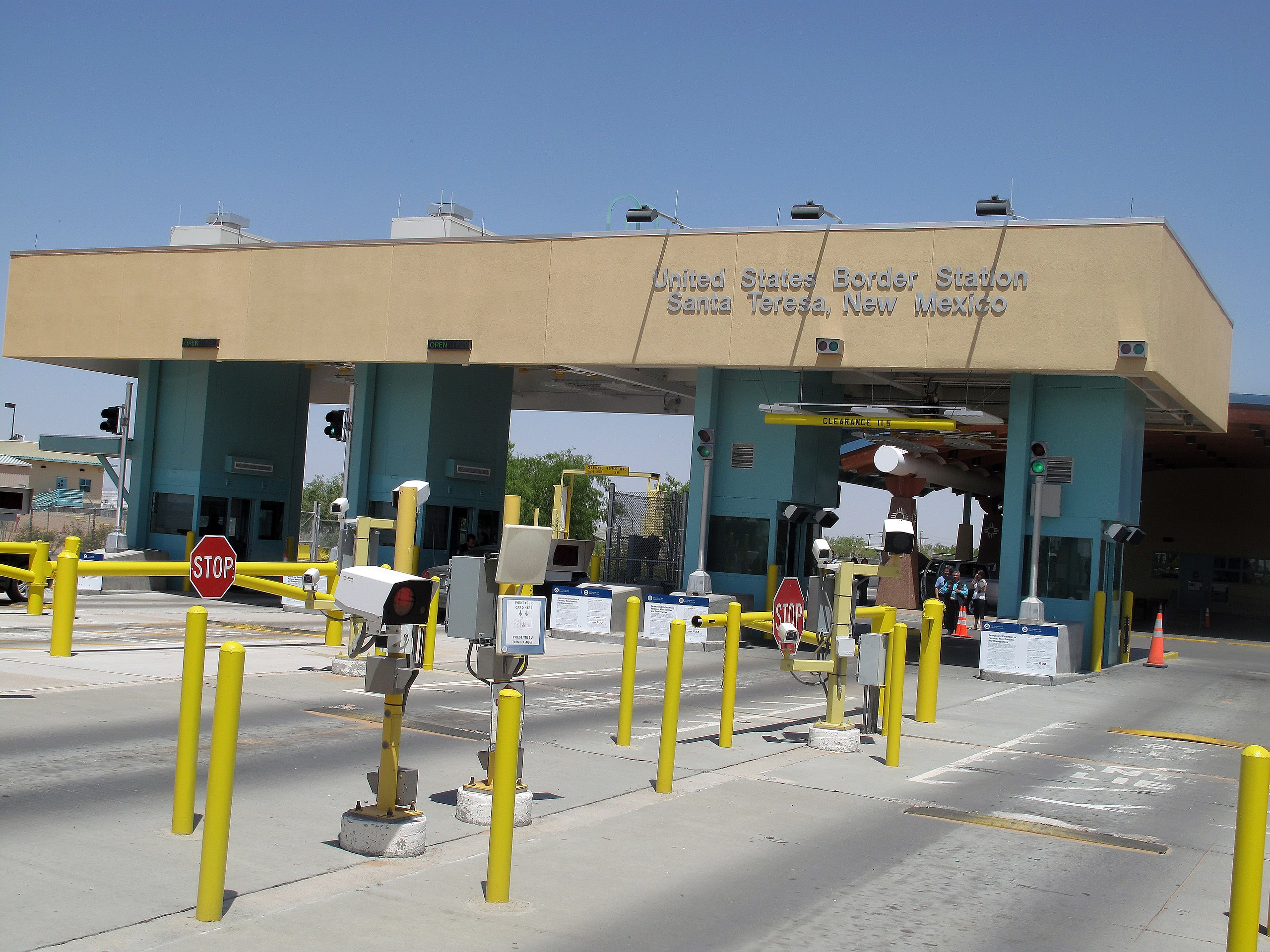
For southern New Mexico, the most notable figure may be Santa Teresa itself.
The Santa Teresa Port of Entry ranked seventh among all North American land ports in March, handling nearly $4.2 billion in freight traffic. That marked a substantial jump from February, when Santa Teresa handled roughly $3 billion in freight and ranked ninth nationally.

The March increase placed Santa Teresa ahead of several larger and more established ports, including Nogales, Arizona, and within striking distance of Hidalgo and Eagle Pass, Texas.
While ports such as Laredo and El Paso continue dominating overall trade volume with Mexico, Santa Teresa’s rapid growth reflects the ongoing expansion of manufacturing, warehousing and logistics operations along the New Mexico-Texas-Chihuahua trade corridor.
Truck freight continues to drive most cross-border commerce with Mexico. Nationwide, trucks moved $62.7 billion in freight between the United States and Mexico during March, up from $55.6 billion in February.
The reports also highlight the broader economic forces shaping freight movement.

The Bureau of Transportation Statistics reported trucking costs rose 15.2% year-over-year in April through the Producer Price Index, far outpacing inflation in most other transportation sectors. Fuel prices also remain a major pressure point, with gasoline prices rising 28.4% year-over-year in the Transportation Consumer Price Index report.
Even with those higher costs, freight activity continues climbing.
A separate BTS Freight Transportation Services Index report found national freight shipment activity rose for the second consecutive month in March, with increases in trucking, rail intermodal traffic and water freight helping push the index up 0.4% from February.
Taken together, the reports suggest cross-border trade demand — particularly with Mexico — remains strong despite rising transportation and fuel costs.
Furniture, lamps and prefabricated buildings remained among the top commodities moving through North American trade corridors in both February and March. Computer-related machinery, vehicles and electrical equipment continued leading overall commodity categories nationally.

The March freight report also showed air cargo activity rising sharply nationwide, with air freight increasing 33.7% year-over-year. However, a separate BTS airline employment report found U.S. cargo airlines actually shed jobs in March, including cuts at FedEx, the nation’s largest cargo carrier.
For New Mexico, Santa Teresa’s continued climb up the national freight rankings may reinforce the region’s growing role as a logistics and manufacturing hub tied directly to Mexican trade and nearshoring investment trends.
You must be logged in to post a comment.