
For fans, the basic guidance is straightforward: use official websites, avoid counterfeit pills and unlicensed medications, report suspicious activity, stay clear of unauthorized drone operations and call 911 in an emergency.
Sources: Drug Enforcement Agency, Financial Crimes Enforcement Network, Department of
Defense War, Federal Bureau of Investigation

As the FIFA World Cup 2026 brings fans from around the world to North America, federal agencies are using the tournament to warn visitors and host communities about risks that extend well beyond the soccer field.
The Drug Enforcement Administration is amplifying its One Pill Can Kill campaign as millions of visitors travel to the United States for World Cup matches. The agency is urging fans to avoid counterfeit pills and illicit drugs, warning that fentanyl and other synthetic substances can be impossible to detect by sight, taste or smell.
DEA officials say counterfeit pills may be made to look like legitimate medications, including oxycodone, hydrocodone, Adderall and Xanax. The agency advises visitors to take only medications prescribed to them and dispensed by a licensed pharmacy, carry naloxone when possible and call 911 immediately in any suspected overdose or drug poisoning.
The agency has also made World Cup-specific resources available for travelers, including guidance on bringing medications into the United States, counterfeit pill warnings and fentanyl awareness materials.


Financial crimes officials are also urging vigilance. The Financial Crimes Enforcement Network has warned financial institutions in and around World Cup host cities to watch for signs of human trafficking, including suspicious transactions tied to sex trafficking, labor trafficking, unusual travel activity, withheld wages or financial control over possible victims.
Federal officials say major events can create concentrated demand for both legal and illegal services, increasing the risk that vulnerable people may be exploited. Financial institutions are being encouraged to report suspicious activity and notify law enforcement when potential trafficking indicators appear.
Security preparations also include a growing focus on drones. Federal, state and local partners have been preparing for unauthorized unmanned aircraft systems around stadiums, fan areas and surrounding communities. Recent counter-drone planning efforts in Kansas City and Washington state have included law enforcement, emergency management, aviation officials, military partners and federal agencies.

Representatives from federal, state and local law enforcement agencies gathered for a counter-UAS field demonstration day at the Yakima Training Center, Washington, June 2, in preparation for the 2026 World Cup. (Photo Courtesy Department of Defense War)
Officials say the goal is to build layered defenses capable of detecting, tracking and responding to unauthorized drone activity near major event sites. The Department of War is supporting the Department of Homeland Security during U.S. World Cup matches, with planning modeled on other major national security events.
Receive the latest stories in your inbox every day — FREE!
Cybersecurity is another concern. The FBI has warned that criminals are spoofing FIFA-related websites to steal personal information, sell fake tickets and promote fraudulent hospitality products. The bureau advises fans to type fifa.com directly into a browser, avoid sponsored search results when seeking official FIFA information and carefully inspect website addresses before entering personal or financial information.
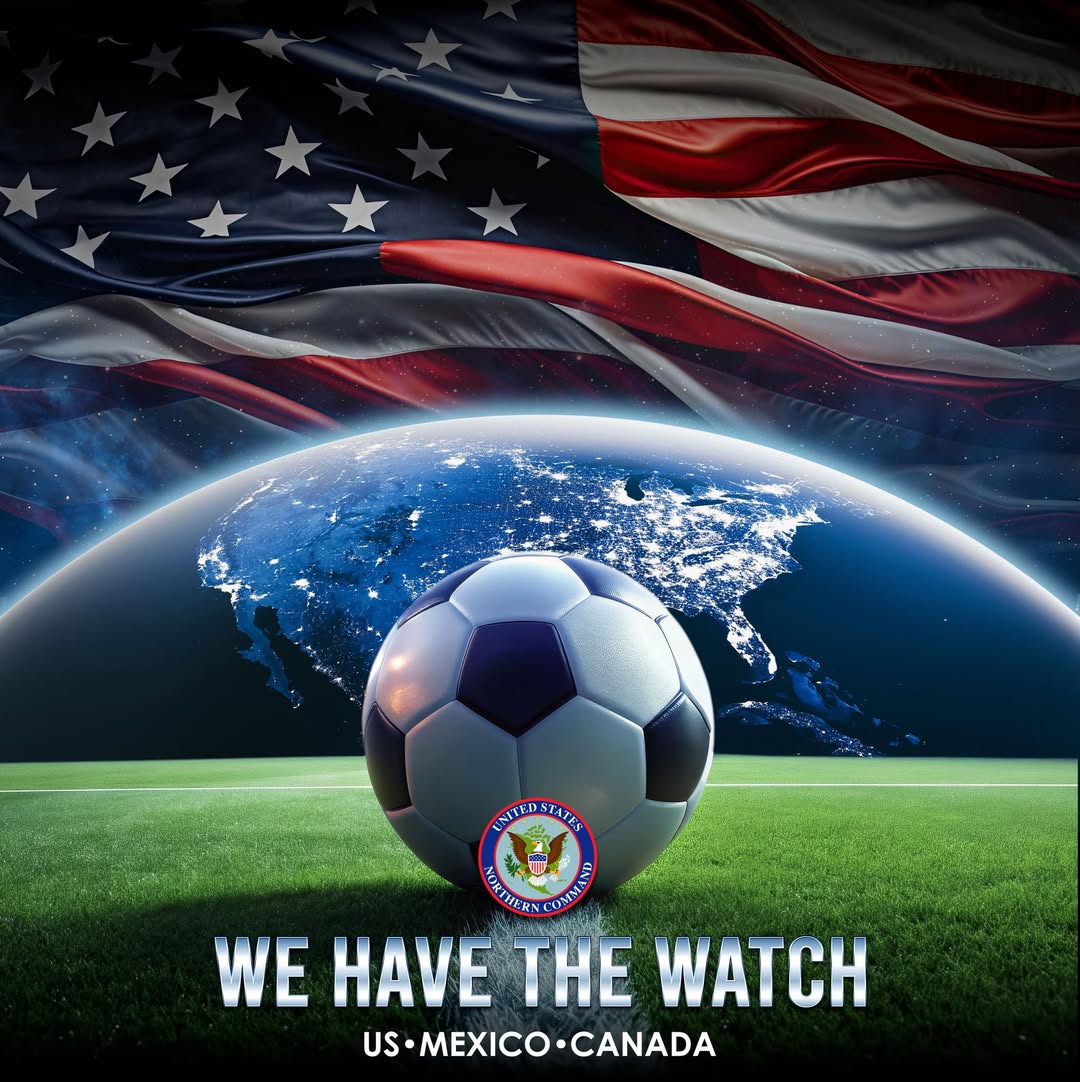
The warnings reflect the scale of the tournament itself. With millions of visitors expected across host cities in the United States, Mexico and Canada, the World Cup is not only a sporting event but a major public safety, transportation, cybersecurity and law enforcement operation.
For fans, the basic guidance is straightforward: use official websites, avoid counterfeit pills and unlicensed medications, report suspicious activity, stay clear of unauthorized drone operations and call 911 in an emergency.
The World Cup may be decided on the field, but keeping the event safe will require a much larger effort across host cities, public agencies and the communities welcoming the world.
You must be logged in to post a comment.