
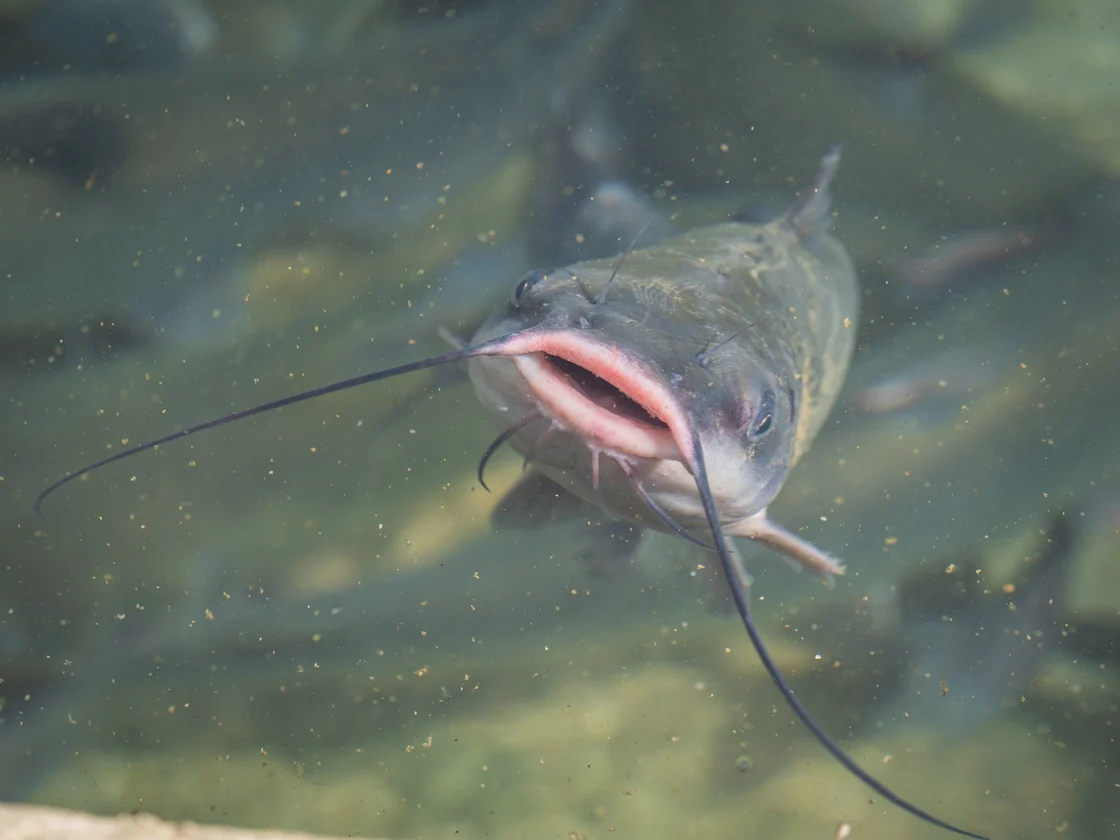

Escondida Lake: Annalise Silva had a great day at Escondida Lake, she caught this bluegill and additionally caught eight catfish using worms and chicken liver.
Source: N.M. Department of Wildlife
Photos: Courtesy
Southwest New Mexico Fishing Report
- Bear Canyon Lake: Fishing conditions have been adversely affected in the aftermath of the Trout Fire.
- Caballo Lake: Catfish fishing was good, mid-morning, using chicken breast soaked in cherry Kool-Aid. Fishing for white bass was good when using natural-colored and green lures.
- Elephant Butte Lake: Fishing for white bass was good when using minnows and cut bait. Fishing for catfish was good when using cut shad. The South Monticello boat ramp is currently closed due to low water levels. The closure will be lifted when water levels rise and conditions allow. For more information, visit the Elephant Butte State Park page.
- Escondida Lake: The most recent report was from June 3. At that time, fishing for catfish was great when using worms and chicken liver.
- Gila River: The most recent report was from June 2. At that time, fishing for trout was good when using flies. Streamflow near Gila on Tuesday morning was 16.2 cfs.
- Gila Waters: Streamflow near Gila Hot Springs on Wednesday morning was 42.2 cfs.
- Glenwood Pond: The most recent report was received June 2. At that time,fishing for trout was good when using worms.
- Lake Roberts: The most recent report was received May 28. At that time, fishing for crappie was fair to good when using lures.
- Quemado Lake: The most recent report was received June 2. At that time, fishing for trout was good when using worms.
- Rio Grande: Streamflow below Elephant Butte Dam on Wednesday morning was 2060 cfs.
Department of Wildlife received no reports for the following waterbodies over the past three weeks: Bill Evans Lake, Percha Dam, Rancho Grande Ponds, Trees Lake, Snow Lake and Young Pond.

Beat the Heat this Summer on New Mexico’s waters
By Dela Joyner
North Area Public Information Specialist
As you get out on the water this summer, remember that the heat doesn’t just affect you–the fish feel it too. Fish are most active during the cooler parts of the day, which means the early mornings and late evenings. As water temperatures rise, dissolved oxygen levels in the water decrease, increasing stress on fish during the summer months. This means that when a fish is caught and brought out of the water, it has less oxygen available to recover.
Always practice proper fish handling when fishing. Keep fish in the water as much as possible while removing hooks or taking photos. Better yet, if conditions allow, leave the fish in the water entirely. Reducing handling time can help improve the chances of survival for released fish.
Consider your tackle, too. Using barbless hooks or crimping your barbs makes hook removal faster and less traumatic for the fish. This small change can make a big difference on a hot day. If you’re targeting trout, avoid using thin wire or ultralight line that prolongs the fight and exhausts the fish before you can get it back in the water.
If a fish appears lethargic after being landed, take a moment to revive it before letting go. Hold the fish gently upright in the water, facing into any current and wait until it swims away on its own. Never toss a fish back or force it forward; instead, let it tell you when it’s ready.
To beat the heat, anglers may also want to consider fishing higher-elevation lakes and streams, where water temperatures often remain cooler throughout the summer. New Mexico offers excellent high-country options, from the streams of the Jemez and Sacramento mountains to alpine lakes in the Pecos and Carson National Forests.
Watch the water temperature. If you have a stream thermometer, use it. Water temperatures above 67°F can begin to stress trout, and above 70°F, catch-and-release fishing can do more harm than good. On the hottest days, it may be worth packing up early or switching to a warmwater species like bass or catfish that handle the heat more comfortably.
And don’t forget about yourself. Bring plenty of water, sunscreen and other sun protection to keep you and your family safe while enjoying New Mexico’s great outdoors. A good rule of thumb: if it’s too hot to be comfortable on the bank, it’s probably too hot for the fish, too.
Looking for a new fishing destination this summer? Visit the New Mexico Department of Wildlife’s interactive fishing map to discover fishing opportunities across the state, including many higher-elevation waters that provide excellent summer fishing.
Got a fish story you want to share?
Tell N.M. Department of Wildlife all about it! Just visit the Department of Wildlife’s Weekly Fishing and Stocking Report website and use the iFish form at the bottom of the page. Submissions received by noon Monday will be considered for inclusion in that week’s fishing report. Fish weights and measurements are provided by the angler and displayed here as received. Photos containing sensitive material may be altered or excluded at the Department’s discretion.
This fishing report has been generated from the best information available at the time of publication.
You must be logged in to post a comment.