
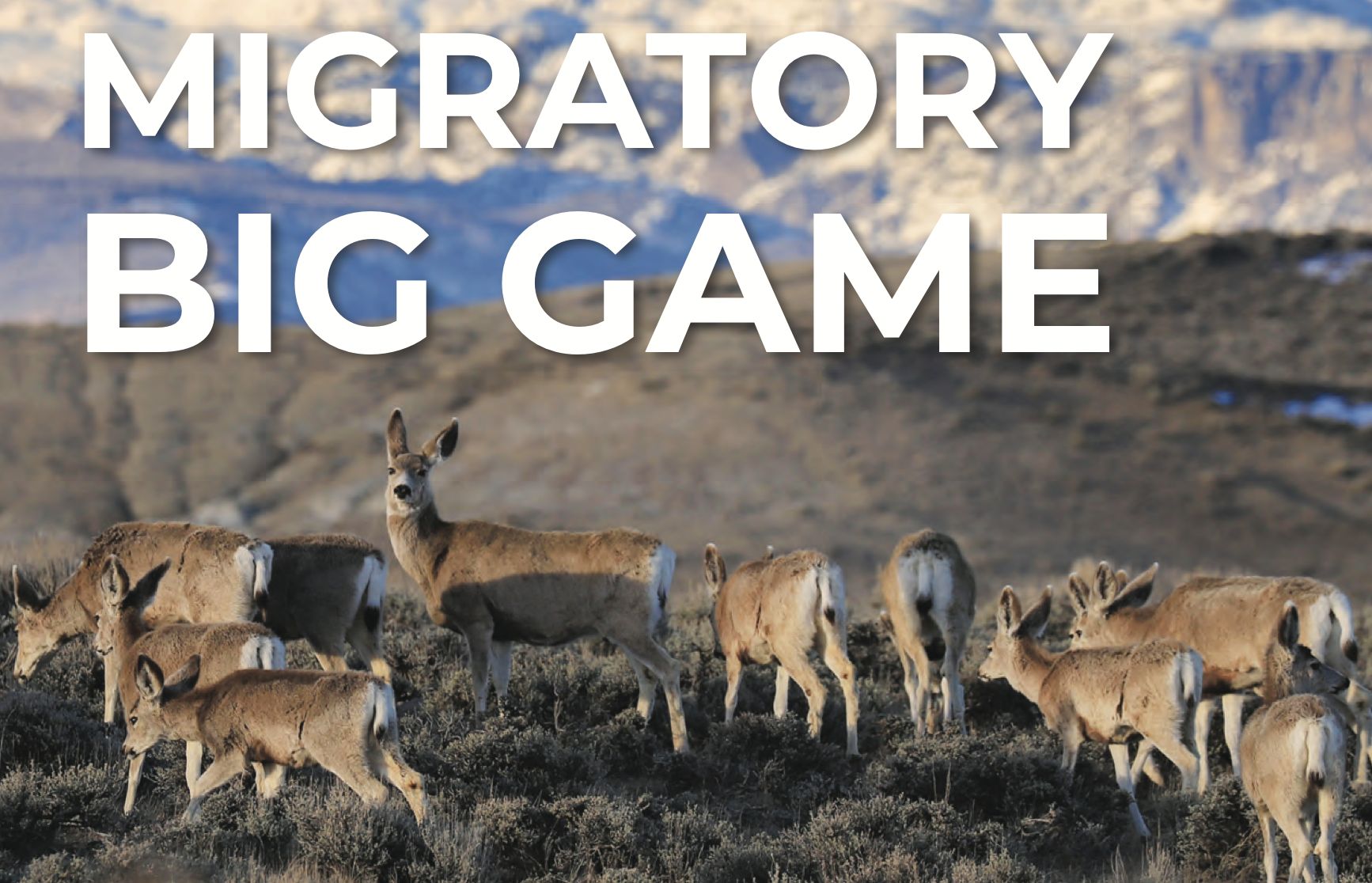

The Migratory Big Game: A Framework for Conservation Action is the most unified, landscape-scale approach undertaken by the USDA’s Farm Service Agency (FSA) and Natural Resources Conservation Service (NRCS) to support big game conservation while putting farmers and ranchers first by keeping working lands working.
Source: U.S. Department of Agriculture
Photos: Courtesy

The U.S. Department of Agriculture (USDA) unveiled a new framework for migratory big game conservation, bringing together federal, state and Tribal partners across 17 states to address threats to big game like elk, pronghorn and mule deer.
The Migratory Big Game: A Framework for Conservation Action is the most unified, landscape-scale approach undertaken by the USDA’s Farm Service Agency (FSA) and Natural Resources Conservation Service (NRCS) to support big game conservation while putting farmers and ranchers first by keeping working lands working.
State fish and wildlife agencies (SFWAs), which have the trust responsibility for migratory big game populations, have identified that these species face increasing threats to habitat quality and connectivity. Improving habitat quality requires restoring native plant communities, improving forest health, and addressing invasive species. Improving connectivity requires mitigating physical barriers, such as highways and fences, and minimizing landscape fragmentation.
Receive the latest stories in your inbox every day — FREE!
The Framework provides a strategy for using Farm Bill resources, including NRCS programs, such as the Environmental Quality Incentives Program, Conservation Stewardship Program, Agricultural Conservation Easement Program and Regional Conservation Partnership Program, as well as FSA’s Conservation Reserve Program (CRP).
Through these programs, USDA provides assistance for delivering the Framework’s three strategies:
- Protecting Habitat and Connectivity: Voluntary conservation easements and CRP contracts help keep working lands intact, preventing fragmentation from development and securing movement corridors for future generations.
- Reducing Barriers to Movement: Modernizing fences is a centerpiece of the strategy, replacing hazardous designs with wildlife-friendly alternatives and, where possible, removing fencing entirely. The Framework also highlights emerging solutions like virtual fencing, which reduces conflicts between livestock management and wildlife migration while lowering costs for producers
- Improving Habitat Quality: Actions include controlling invasive annual grasses, removing encroaching conifers, restoring mesic (wet) habitats, and improving forest health to boost forage and habitat quality on summer and winter ranges. These steps strengthen rangeland resilience, reduce wildfire risk, and maintain reliable water and forage sources critical to livestock and wildlife alike.
States include: Arizona, California, Colorado, Idaho, Kansas, Montana, Nebraska, Nevada, New Mexico, North Dakota, Oklahoma, Oregon, South Dakota, Texas, Utah, Washington, and Wyoming.
This is USDA’s fifth Framework for Conservation Action. In the western United States, the Sagebrush and Great Plains Frameworks for Conservation Action provide a collective roadmap for the conservation of working rangelands. USDA developed its first framework on the Great Plains Grasslands in 2020.
Farmers and ranchers interested in conserving habitat and implementing wildlife-friendly practices should contact FSA and NRCS at their local USDA Service Center to learn about available practices and programs. Additionally, FSA and NRCS State Offices will share additional information related to efforts in their states.
You must be logged in to post a comment.