
According to the state’s annual Forest Health Conditions report, tree deaths across New Mexico tripled in 2025 during what was the state’s second warmest year on record.
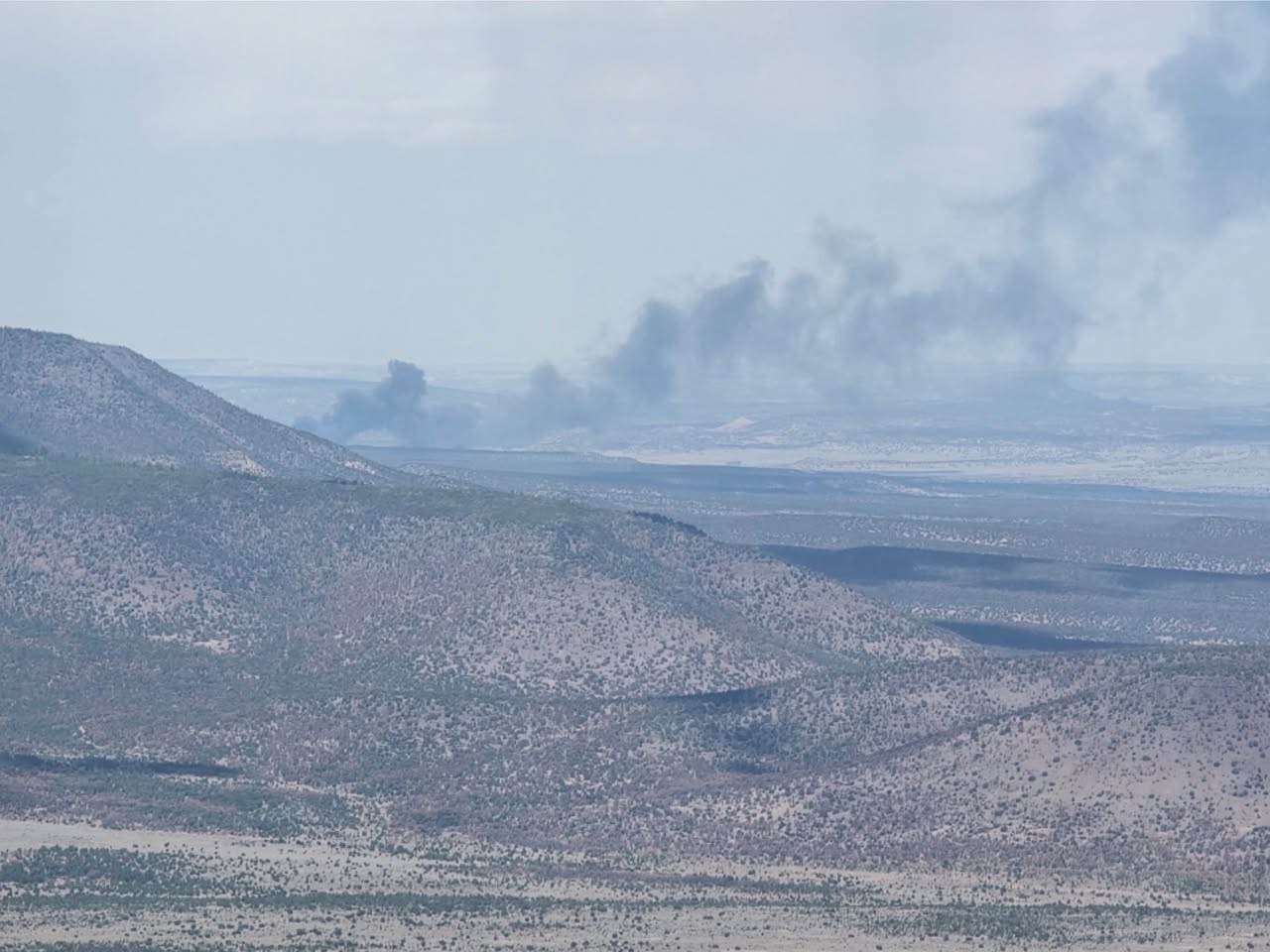
The report comes as firefighters continue making progress on the Bear Fire burning in the Gila National Forest southeast of Quemado. As of Monday, June 15, the lightning-caused fire remained at 6,920 acres with 11% containment, with nearly 500 personnel assigned to the incident.

Fire managers reported increased containment over the weekend as favorable weather allowed crews to strengthen fire lines, conduct tactical firing operations and protect critical infrastructure, including the Mangas Mountain lookout and communications site. However, officials caution that warmer, drier and breezier conditions are expected to return later this week, and smoke may remain visible as interior pockets of unburned fuel continue to smolder.

The report, produced jointly by the New Mexico Forestry Division and U.S. Forest Service, surveyed roughly 14 million acres of state, private, Tribal and federal forests and woodlands.
Among the report’s key findings:
- Beetle-killed conifer forest increased 211%, primarily on national forest lands.
- Forests impacted by drought and heat increased 66%.
- Total acreage showing damage decreased 6%.
- Defoliation, or leaf and needle loss distinct from tree mortality, decreased 51%.
Foresters say the figures paint a complex picture. While some measures of forest damage improved, prolonged drought and warmer temperatures continue to place stress on trees across New Mexico.

“Bark beetles are a natural check on forest density, but warm winter temperatures are extending their activity, and overly dense, drought-stressed forests are a buffet for these insects,” said Victor Lucero, forest health program manager with the New Mexico Forestry Division.
In many forests, decades of fire suppression have allowed tree densities to exceed what the landscape can naturally support. As drought intensifies and temperatures rise, stressed trees become more susceptible to insect attacks and disease.

Aerial view of the extent of beetle kill, as seen in red, in untreated piñon-juniper woodland (above) versus a landscape that has been thinned (below). Photos by Victor Lucero.
“Our forests have exceeded the land’s carrying capacity,” Lucero said. “No matter what, disturbance events will try to rebalance our ecosystems, whether it’s through human intervention, like proactive thinning, or biological events such as pest outbreaks or wildfire.”
While large areas of dead trees can temporarily increase wildfire risk, foresters note that forests are also resilient. Even in areas heavily affected by previous mortality events, surviving trees often seed future generations.
State Forester Laura McCarthy cautioned that the report represents a snapshot in time, but said the findings may foreshadow conditions in coming years if dry weather and warm winters continue.
Earlier this year, New Mexico broke ground on the New Mexico Reforestation Center, which aims to increase production of climate-adapted seedlings to help restore damaged forests across the state.
For New Mexicans following fires such as the Bear Fire, the report offers a reminder that wildfire behavior is shaped not only by weather, but also by the long-term health of forests themselves. As drought, heat and insect outbreaks continue to stress New Mexico’s woodlands, foresters say proactive management—including thinning, restoration and reforestation—will play an increasingly important role in reducing the risk of catastrophic wildfires
You must be logged in to post a comment.