
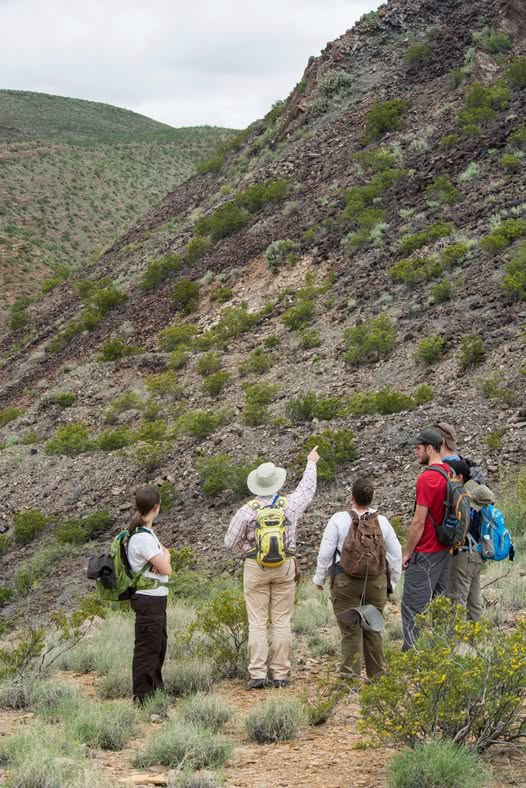

Visitors should remain alert for signs of heat-related illness, including heavy sweating, clammy skin, muscle cramps, fatigue, headaches or any symptoms that seem unusual.
Source: Bureau of Land Management – Las Cruces District (via Facebook)
Photos: Courtesy
LAS CRUCES, N.M. – With summer temperatures settling over the Chihuahuan Desert, the Bureau of Land Management is encouraging outdoor enthusiasts to plan ahead before heading onto public lands, reminding hikers that preparation, hydration and responsible recreation are essential for a safe outing.
One of the simplest ways to avoid dangerous heat is to plan outdoor activities during the coolest hours of the day. BLM recommends starting hikes early in the morning whenever possible, allowing visitors to enjoy cooler temperatures and even catch a desert sunrise before the day’s heat builds.

For those venturing onto trails, officials say carrying plenty of water is critical. If your water supply begins running low, it’s time to head back rather than continue deeper into the backcountry. Hikers should also bring electrolytes and snacks, as water alone may not be enough during prolonged outdoor activity. Long sleeves, lightweight pants, a wide-brimmed hat, sunglasses and sunscreen can also help protect against intense desert sun and reduce moisture loss.
Visitors should remain alert for signs of heat-related illness, including heavy sweating, clammy skin, muscle cramps, fatigue, headaches or any symptoms that seem unusual. BLM encourages hikers to turn around immediately if they or a member of their group begin experiencing signs of heat illness rather than attempting to push through the discomfort.

The agency is also reminding visitors to follow Leave No Trace principles while recreating on public lands. Whenever possible, hikers should use restroom facilities. If none are available, human waste should be buried in a 6- to 8-inch-deep “cat hole” located at least 70 yards from water sources, roads, trails, campsites and cultural sites. Used toilet paper should be packed out in a sealed plastic bag and disposed of properly after leaving the area.
For visitors bringing pets, BLM asks owners to clean up after their animals and plan ahead by packing adequate water and other supplies for four-legged companions. Officials also remind visitors that dogs are prohibited in certain areas of Dripping Springs Natural Area and Three Rivers Petroglyph Site to help protect sensitive cultural resources.
Whether hiking, sightseeing or exploring public lands, BLM encourages visitors to prepare for desert conditions before leaving home, carry the supplies needed for themselves and their pets, and respect both the natural environment and the cultural resources that make southern New Mexico’s public lands unique.
You must be logged in to post a comment.