
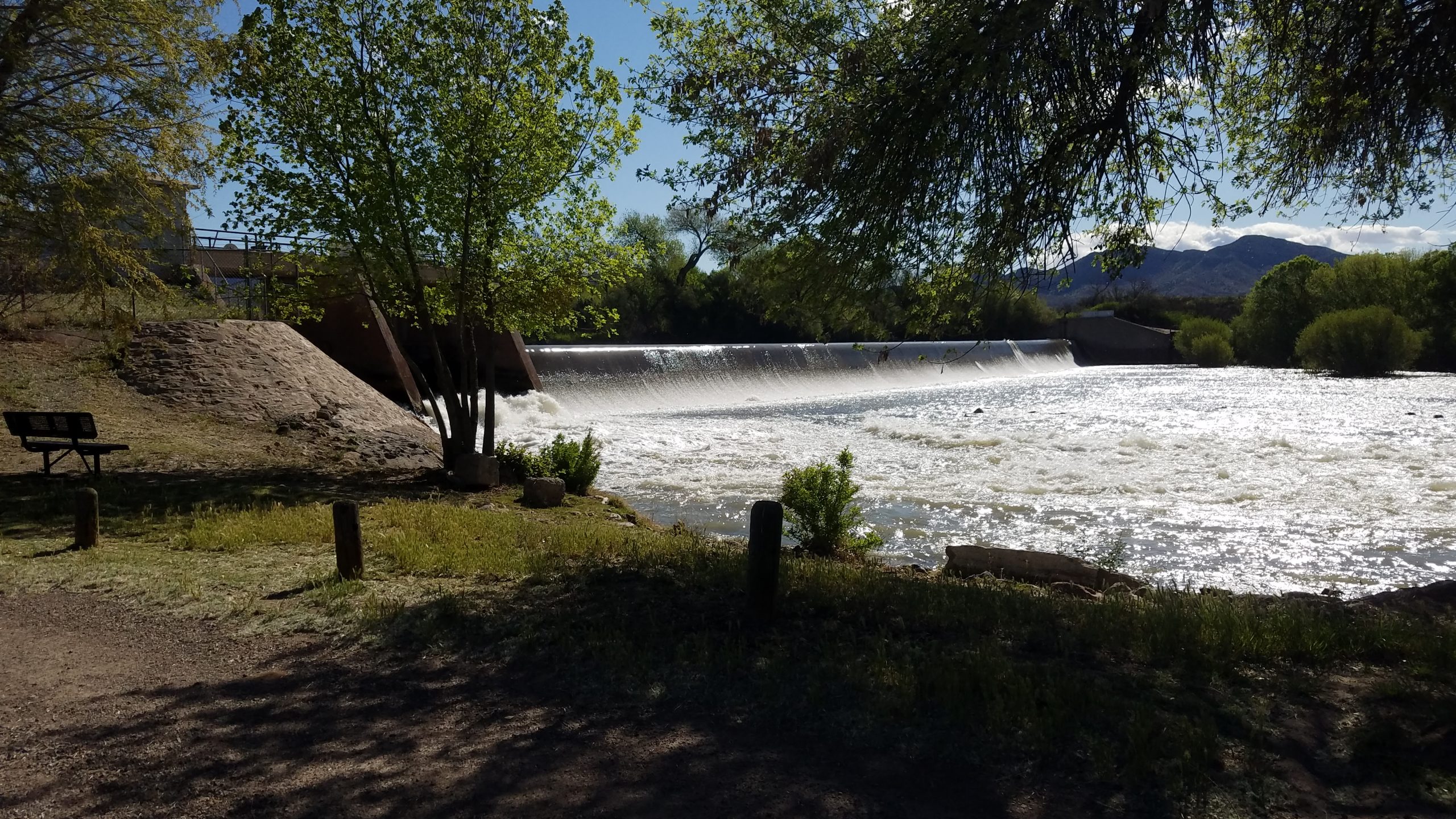

Catfish are widely distributed in New Mexico because they have adapted well to life in reservoirs, though they are also found in rivers.
Source: New Mexico Department of Wildlife
Photos: Courtesy
Cover Photo (Percha Dam State Park) Courtesy New Mexico State Parks
Southwest Fishing Report
- Bear Canyon Lake: Fishing conditions have been adversely affected in the aftermath of the Trout Fire.
- Bill Evans Lake: Fishing for largemouth bass was very good.
- Caballo Lake: The most recent report was received June 25. At that time, fishing for white bass was good to fair using green and orange trolling lures. Walleye remained slow to inactive. Water levels are changing across the lake; boaters should exercise caution in low-water areas.
- Elephant Butte Lake: The most recent report was July 9. At that time, fishing for largemouth bass was fair to good when using rubber crawdads. The South Monticello and Rock Canyon boat ramps are currently closed due to low water levels. The closure will be lifted when water levels rise and conditions allow. For more information, visit the Elephant Butte State Park page.
- Gila River: Streamflow near Gila on Tuesday morning was 11.9 cfs.
- Gila Waters: Streamflow near Gila Hot Springs on Wednesday morning was 25 cfs.
- Lake Roberts: The most recent report was July 9. At that time, fishing for trout was fair to good when using Pink PowerBait and salmon eggs. Fishing for catfish was fair to good when using hot dogs.
- Percha Dam: The most recent report was July 9. At that time, fishing for white bass was slow when using horse-head jigs.
- Quemado Lake: The most recent report was July 9. At that time, fishing for trout was slow when using garlic worms.
- Rio Grande: The most recent report was July 9. At that time, fishing for catfish was good when using Thomas EP-series spinners. Streamflow below Elephant Butte Dam on Wednesday morning was 885 cfs.
- Whitewater Creek: The most recent report was received June 25. At that time, fishing for Gila trout was fair to good when using flies and produced 3-to-14-inch trout.
- Young Pond: Fishing for catfish was good when using hot dogs.
We received no reports for the following waterbodies over the past three weeks: Escondida Lake, Glenwood Pond, Rancho Grande Ponds, Trees Lake and Snow Lake.

Summer Catfish Waters are the cat’s meow
By Melissa Garnett
Southeast Area Public Information Specialist
Despite its seemingly easy-going existence, the catfish is a powerful fighter on a hook, as experienced anglers will tell you.
New Mexico waters support three species of catfish: the channel, flathead and blue. Catfish are widely distributed in New Mexico because they have adapted well to life in reservoirs, though they are also found in rivers. Channel and flathead catfish each have eight black barbels (whiskers) near the mouth and thick, smooth, scaleless skin. Their fins are dark and soft, except for portions of the dorsal and pectoral fins, which are sharpand serrated and can be venomous.
Receive the latest stories in your inbox every day — FREE!
Young channel catfish are silvery blue-gray with black spots and a forked tail. Once they reach maturity, at about 12 inches, their coloration darkens markedly and their spots diminish. Although channel cats prefer clear, slow-moving water, they’re highly tolerant of turbid water. They can grow to over 30 inches, though 12- to 16-inchers are more common catches in New Mexico waters.
In spring and early summer, when water temperatures are between 60 and 72 degrees Fahrenheit, catfish are fairly easy to catch, so long as you remember to fish the bottom when the sun is off the water. The only thing that affects a catfish appetite is water temperature. Below 40 F, it has no interest in feeding.
During daytime hours, murky backwaters of coves or slow-water stretches of river are good places to fish from the bank or with waders (check out the bottom structure first). Use a float, small weight and chunks of bait or bait on a hook by itself.
Nighttime is when catfish come alive for most fishermen.They tend to feed by night, especially after summer rains when they search turbid waters with their barbels for food.
During the day, catfish seek out dark, deep pools with submerged logs, rocks or other debris.
Special Summer Catfish Waters
Many small lakes and ponds through New Mexico are stocked from April-September with 17-inch or longer channel catfish. These waters offer great opportunities throughout the summer to catch a big fish.
“Special Summer Catfish Waters provide angling opportunities in urban areas where a reservoir may not be close by,” said Edward Enriquez, warmwater fisheries supervisor for the Department.
On stocking day, six hatchery trucks travel all over New Mexico to deliver an approximate total of 9,000 pounds of channel catfish to our fishing waters. The Department’s weekly stocking report details which waters have been recently stocked.
To make these unique angling opportunities possible, reduced bag limits (two per day) have been established on these waters. Trotlines may not be used in Special Summer Catfish Waters.
This special catfish limit applies to: Alto Lake, Bataan, Blue Hole Park Pond, Bosque Redondo, Carrizozo, Chaparral, Conoco Lake (Loco Lagoon), Corona Pond, Dennis Chavez Pond, Escondida, Estancia Park Lake, Eunice, Grants Riverwalk Pond, Greene Acres, Green Meadow, Harris Pond, Jal Lake, Lake Van, Liam Knight Pond, McGaffey Lake, Ned Houk, Oasis State Park, Pecos River within Villanueva State Park, Perch Lake, Rancho Grande Ponds, Timberon Ponds, Tingley Beach, Trees Lake and Young Pond.
Fishing for Catfish: Pointers from the Pros
- Serious catfish angling is done with bait. Try shrimp, chicken or beef liver, worms and cut bait for bottom fishing.
- Use slip sinkers but leave the bail open.
- ‘Chumming’ a baited hole is legal in New Mexico only in certain waters. Check first and take only those catfish you plan to eat.
- Channel cats bite on stinkbait, whether homemade (form a mixture of cheese, decayed meat or minnows, animal blood, oats, flour and anise into small balls) or commercially prepared.
- Tackle can vary from a simple throw line to heavy-duty rods and reels.
- Besides stinkbait, channel cats also hit on night crawlers, animal entrails, frogs, grasshoppers, clams and crayfish — as well as artificial baits such as plugs, spoons, jigs, spinners and plastic worms.
You must be logged in to post a comment.