
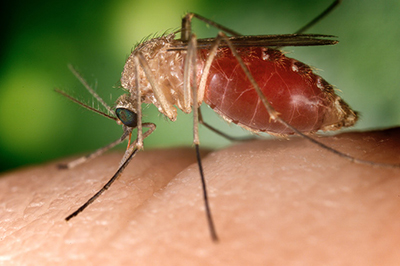

The New Mexico Department of Health (NMDOH) reminds residents that West Nile virus, which mosquitoes can transmit to humans and animals, is still a concern despite the onset of cooler temperatures.
Source: N.M. Department of Health
Photo Courtesy Jim Gathany, CDC (via NMSU)
SANTA FE – Summer may be gone, but the threat of West Nile virus carried by mosquitoes still exists in some parts of New Mexico, particularly the southern region.
The New Mexico Department of Health (NMDOH) reminds residents that West Nile virus, which mosquitoes can transmit to humans and animals, is still a concern despite the onset of cooler temperatures.
“While temperatures in northern New Mexico are dropping, the southern part of the state is still warm enough to sustain mosquito activity,” said Dr. Erin Phipps, state public health veterinarian for NMDOH. “Standing water from recent rains can provide additional areas for mosquitoes to breed, so residents should be aware of ongoing risk of mosquito-borne diseases like West Nile virus.”
To date, 17 cases of West Nile virus have been reported in New Mexico in 2026, including two fatalities. There were 52 cases last year with 11 deaths.

Mosquito spraying update! City crews finished spraying 23 areas across Sunland Park from Oct. 6 to Oct. 10, and larvicide briquettes have been placed in 10 ponding areas to keep mosquitoes from breeding. More areas will be added as they’re scheduled. Want to know if crews have already been to your street? Look it up on our Mosquito Control Schedule page. (Source: City of Sunland Park New Mexico via Facebook)
Most people bitten by an infected mosquito do not necessarily develop any symptoms: however, people age 50 years and older and those with other health issues are at higher risk of becoming seriously ill or dying of the virus.
Symptoms can include headache, fever, muscle and joint aches, nausea and fatigue. In less than one percent of people a more serious infection can happen with symptoms including neck stiffness, stupor, disorientation, coma, tremors, convulsions, muscle weakness and paralysis, even leading to death.
Receive the latest stories in your inbox every day — FREE!
Reduce your risk of mosquito bites and the chances of West Nile:
- Use an approved insect repellent every time you go outside and follow the instructions on the label. EPA-approved repellents are those that contain DEET, picaridin, IR3535 or oil of lemon eucalyptus/para-menthane-diol.
- Wear long sleeves and pants at dawn and dusk when mosquitoes are most active.
- Check for water-holding containers where mosquitoes lay their eggs, such as old tires, empty cans, and other unneeded outdoor items that can hold water. Drain the water in birdbaths, wading pools, and saucers under potted plants weekly.
- Make sure rain barrels are tightly screened.
- Keep windows and doors closed if not screened. If you leave your house doors or windows open, make sure they have screens that fit tightly and have no holes.
New Mexico residents with questions about West Nile virus can call the NMDOH Helpline at 1-833-SWNURSE (1-833-796-8773) or text questions to 66364 (NMDOH).
You must be logged in to post a comment.