The FDA updated this communication to provide an additional recommendation for consumers who choose to purchase or use anti-choking devices and information. The communication was also updated to reflect the authorization of an anti-choking device and how to identify anti-choking devices that have been authorized for marketing in the U.S. The FDA’s September 18, 2025 warning letter to LifeVac, LLC was removed from the listed actions because the Agency issued a close out letter on March 4, 2026.
The U.S. Food and Drug Administration (FDA) encourages the public to follow established choking rescue protocols, which are step-by-step guides approved by the American Red Cross and the American Heart Association to relieve airway obstruction in choking victims.
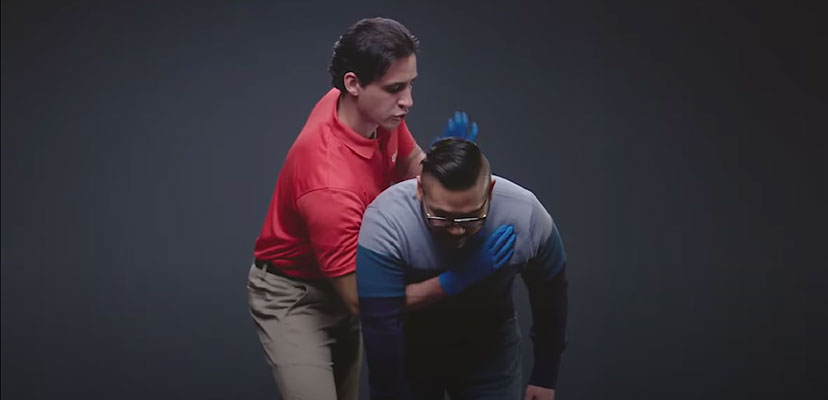
These rescue protocols include a combination of back blows and/or abdominal thrusts (also called the “Heimlich” maneuver) for adults and children. The established rescue protocols are the most effective method to relieve airway obstruction in a choking victim. If the standard protocols are unsuccessful, anti-choking devices may be used as a second option to remove an obstruction. If you choose to use an anti-choking device, be familiar with the device and its instructions for use.
Consumers, parents, caregivers, and health care providers should be aware that using an anti-choking device before established protocols could delay critical life-saving action.
Recommendations for Consumers, Parents, and Caregivers
Always follow established choking rescue protocols approved by the American Red Cross and the American Heart Association before considering other interventions, as these protocols have a high rate of success and can be carried out immediately without devices, saving valuable time.
Choking rescue protocols should only be used when there is a complete airway block or the person is unable to cough, because interventions such as back blows could convert a partial airway block (which choking victims are usually able to clear on their own) to a complete airway block.
If you choose to use or purchase an anti-choking device, familiarize yourself with the device and the instructional materials so that you understand how to use the device before an emergency arises.
Review the FDA Actions section below to learn more about specific work the FDA has performed to address anti-choking devices that have not been authorized for distribution in the U.S. or that do not comply with current good manufacturing practices requirements.
Recommendations for Health Care Providers
Educate patients and caregivers on how to follow established choking rescue protocols.
Talk to patients and caregivers about the potential risks of using unauthorized anti-choking devices.
Talk to patients and caregivers about what they can do to potentially avoid choking incidents.
Potential Problems with Anti-Choking Devices
The FDA recognizes that anti-choking devices may already be in consumers’ homes, living facilities and schools. The FDA’s recommendations are intended to help avoid delaying use of the established rescue protocols listed above.
The FDA is aware of reports describing problems with the use of anti-choking devices. These problems include failure to resolve a choking incident due to lack of suction, bruising around the face, lips, and mouth, and scratches in the back of the throat.
Established choking rescue protocols from the American Red Cross and the American Heart Association have a high success rate and should be used during a complete airway block emergency. Using an anti-choking device may involve steps such as having to remove it from its packaging and assembling it before use. The time to complete these steps and use an anti-choking device could delay use of established rescue protocols.
Device Description
The FDA is aware of anti-choking devices that claim to create a seal around the mouth and use suction to pull an obstruction from an airway during a choking emergency. These devices are required to receive FDA marketing authorization to be lawfully marketed in the U.S.
To see if a device has been evaluated and authorized by the FDA, search the FDA’s Medical Device Databases for authorizations (De Novo, Premarket Approvals, and Premarket Notifications (510(k)s) using the device name, keeping in mind that some of these devices are manufactured by multiple companies and sold under multiple brand names.
FDA Actions
As of March 4, 2026, the FDA has authorized one anti-choking device for marketing and distribution in the U.S.
The FDA issued an import alert on October 8, 2025, listing multiple suction anti-choking devices that have not been authorized for distribution in the U.S.
The FDA issued a warning letter to DeChoker LLC on May 10, 2021, stating that the DeChoker tracheobronchial suction device is not in compliance with the current good manufacturing practice requirements of the Quality System regulation.
The FDA is aware of certain manufacturers of anti-choking products who have registeredtheir establishments and listed their devices with the FDA. When a facility registers and lists its devices, the resulting entry in the FDA’s registration and listing database does not denote approval, clearance or authorization of that facility or its medical devices. The FDA continues to notify manufacturers who have listed their devices under an incorrect device classification that they must bring their products into compliance with the FDA’s medical device requirements.
The FDA will continue to keep the public informed if significant new information becomes available.



You must be logged in to post a comment.