
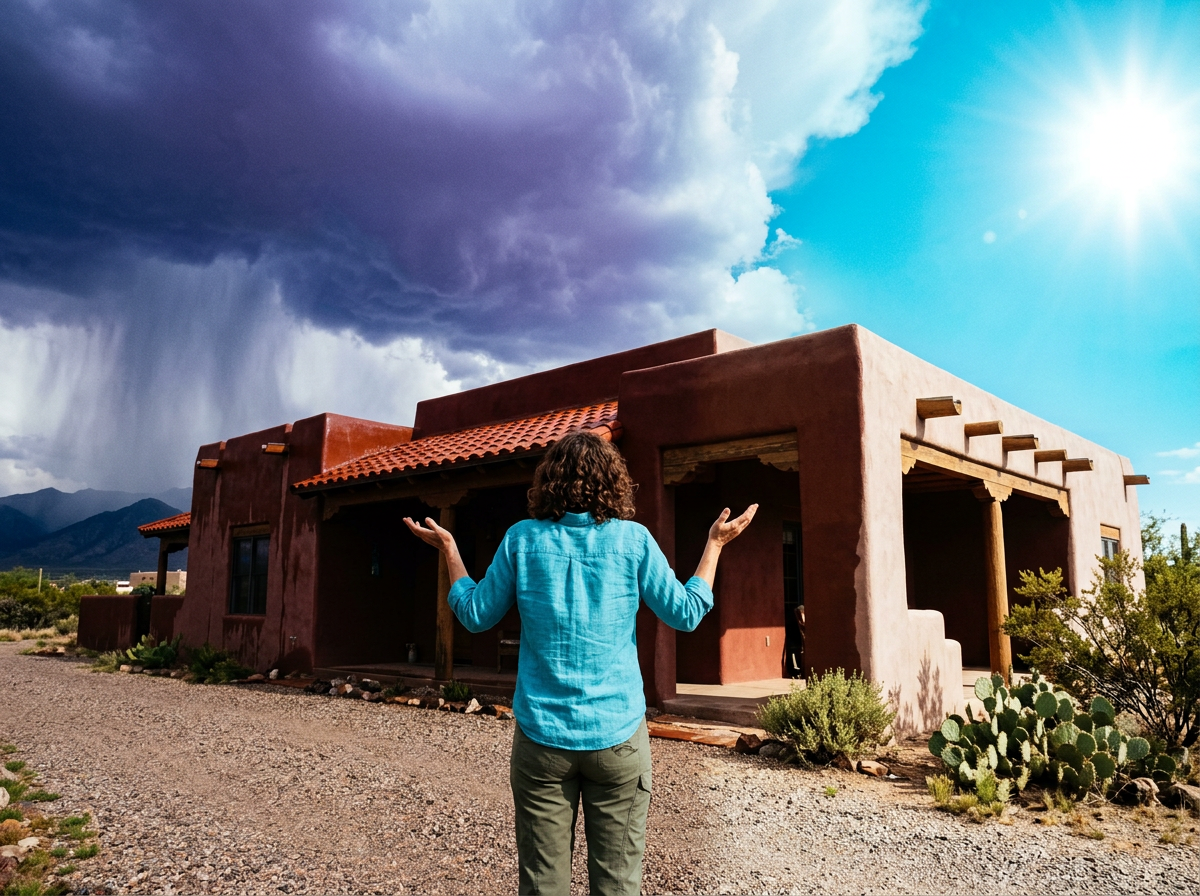

Following a year of severe drought and destructive flooding, New Mexico’s state climatologist will begin monthly public briefings on the conditions shaping the state’s water future.
By Levi Gwaltney for Las Cruces Digest
Sources: N.M. Office of the State Engineer, USDA Natural Resources Conservation Service
Images: Courtesy
SANTA FE, N.M. — A potentially powerful El Niño developing in the Pacific Ocean could influence New Mexico’s winter precipitation and water supplies, according to a new federal climate outlook, as state officials prepare to launch a monthly public webinar series examining drought, flooding, snowpack and the availability of water.
The U.S. Department of Agriculture’s Natural Resources Conservation Service (NRCS), in its weekly water and climate report, highlighted a November 12 outlook from the National Oceanic and Atmospheric Administration (NOAA) indicating a greater than 79 percent probability that El Niño conditions will continue strengthening during January through March 2027.

According to the NRCS summary of NOAA’s forecast, there is also approximately a 60 percent probability that the episode will exceed historically warm equatorial Pacific sea surface temperatures, based on records extending to the 1950s.
The developing conditions could have important implications for New Mexico, where water supplies depend heavily on winter precipitation, mountain snowpack and the runoff that follows.
El Niño is part of the El Niño–Southern Oscillation (ENSO), a recurring climate pattern involving changes in Pacific Ocean temperatures and atmospheric circulation. During El Niño, warmer-than-normal tropical Pacific waters can alter prevailing weather patterns across much of the world.
NOAA generally associates El Niño winters with wetter-than-normal conditions across the southern United States and warmer-than-normal temperatures across northern portions of the country.
However, the relationship is not a guarantee of additional precipitation in any particular location. The timing, location and intensity of winter storms will help determine whether New Mexico receives meaningful relief from drought conditions.
Receive the latest stories in your inbox every day — FREE!
State climatologist to address drought and winter outlook
Against that backdrop, the New Mexico Office of the State Engineer and Interstate Stream Commission announced a new monthly webinar series beginning November 24, offering residents direct access to State Climatologist Dave DuBois and other water and climate experts.
The inaugural session, scheduled for 2 p.m., will review New Mexico's water supply and the historic drought and flooding experienced during 2026.
Beginning in 2027, the webinars will be held on the fourth Tuesday of each month, examining how snowpack, runoff, seasonal forecasts and other climate indicators may affect water availability throughout the state.
“Access to timely and reliable information is critical as New Mexico continues to navigate drought, flooding and water supply challenges,” State Engineer Elizabeth Anderson said.
“These public webinars will help communities, water managers, agricultural producers and members of the public better understand current conditions and make informed decisions about water resources.”
DuBois, who also directs the New Mexico Climate Center, will lead the presentations. The Office of the State Engineer will facilitate the discussions and coordinate contributions from additional experts.
Each session will include an opportunity for participants to ask questions.
“We are pleased to provide continuously updated climate and forecast information to the public and New Mexico’s water management community as we navigate an increasingly dynamic system,” DuBois said.
“The public webinars will amplify the information we have available through the drought.nm.gov website to make sure anyone who is curious about the changing conditions will have access to information and an ability to ask questions.”
Why winter precipitation matters
For New Mexico, a wetter winter does not necessarily translate into an equivalent increase in usable water supplies.
Mountain snowpack acts as a seasonal reservoir, accumulating precipitation during colder months and releasing water as temperatures rise. The amount of snow, the timing of melting and the volume of runoff influence river flows, reservoir storage and water available for agricultural and municipal use.
Rainfall can also improve soil moisture and reduce drought impacts, but intense storms may produce flooding and rapid runoff rather than sustained replenishment of water supplies.
These distinctions are particularly important following a year in which New Mexico experienced both prolonged drought and destructive flooding.
The state's new webinar series will examine current drought and flood conditions, water supply and hydrologic trends, seasonal weather outlooks, and the consequences of changing conditions for water management.
The NRCS report also included a November 12 national agricultural weather outlook prepared by USDA meteorologist Brad Rippey. The outlook anticipated unsettled weather across the western United States beginning November 13, followed by another Pacific storm system affecting California and the Northwest.
For November 17–21, the National Weather Service's six- to ten-day outlook favored near- or above-normal temperatures and precipitation across much of the country, with cooler conditions forecast for California, Nevada and neighboring areas.
Those short-term forecasts describe immediate weather patterns rather than the seasonal consequences of El Niño, but together with the longer-range outlook they illustrate the range of information state water managers must consider.
Public participation and registration
The first drought and climate webinar is scheduled for Tuesday, November 24, from 2 to 2:30 p.m. Mountain Time.
Participation is free and open to the public, including local officials, agricultural producers, water managers and residents interested in the state's changing climate and water resources.
Register for the November 24 webinar.
Additional information about New Mexico's drought conditions and water resources is available at drought.nm.gov and through the Office of the State Engineer.
Questions about the webinar series may be directed to pio@ose.nm.gov.
The Office of the State Engineer administers New Mexico's surface water and groundwater resources, while the Interstate Stream Commission oversees interstate water agreements, conservation and statewide water planning.
DuBois has contributed to New Mexico's Climate Adaptation and Resilience Plan and 50-year Water Action Plan, in addition to his work in climate education, citizen science and statewide outreach.
You must be logged in to post a comment.